
Preparing Your Garden for Autumn
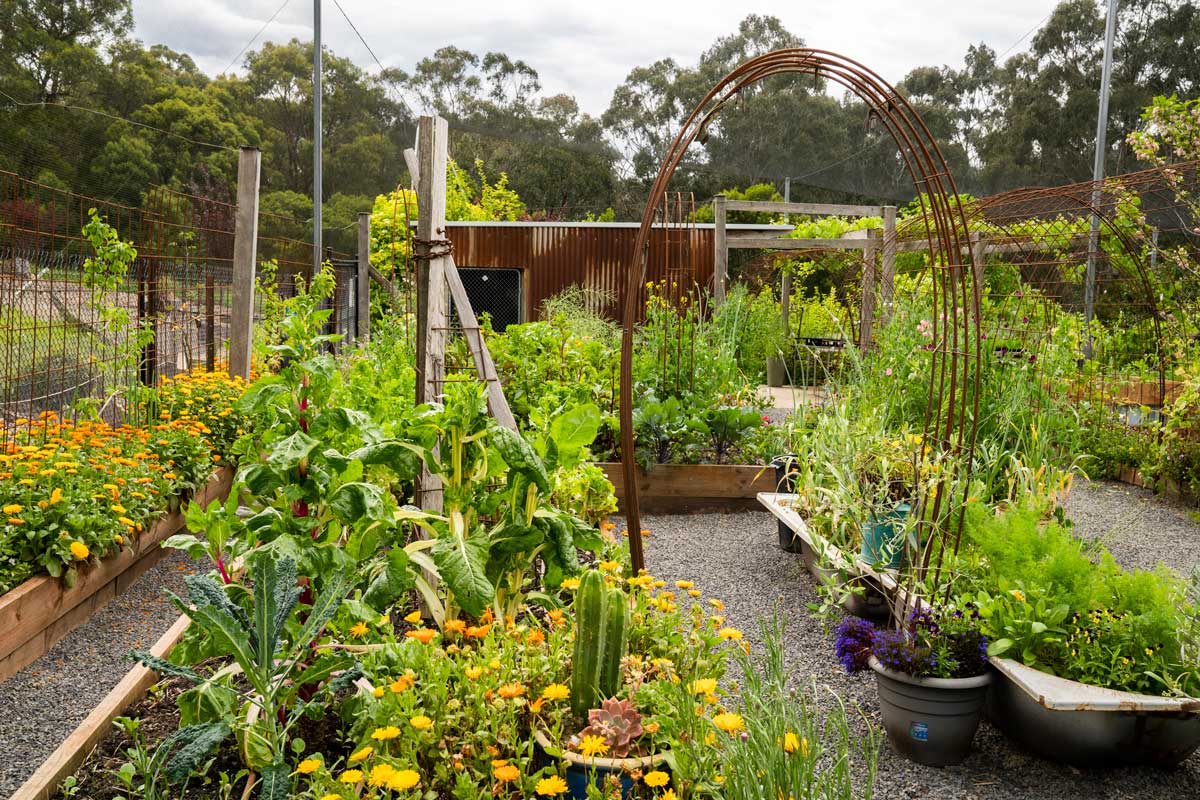
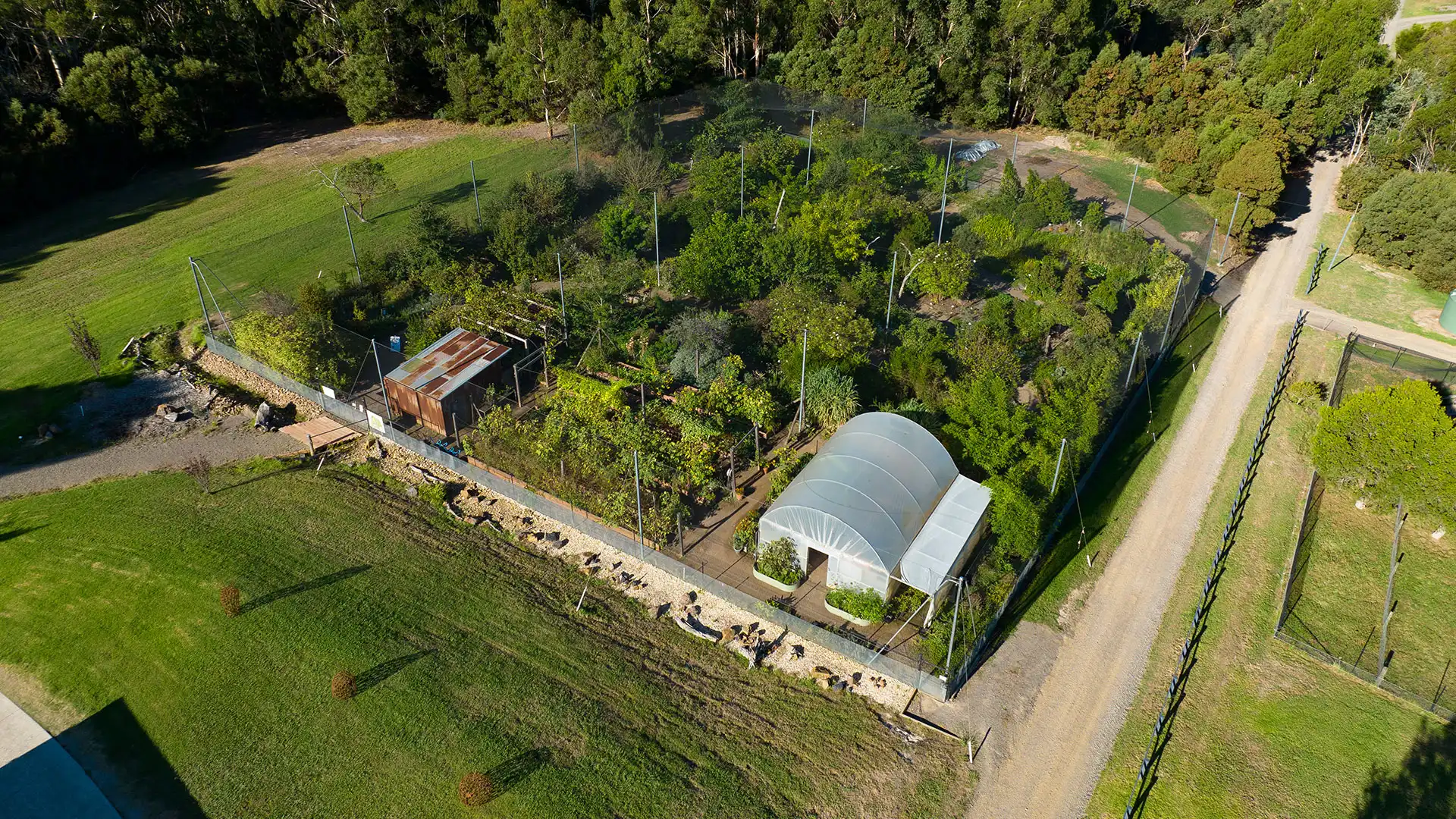
Autumn has finally arrived. In the forest, the garden is slowly preparing for winter as the heat of summer begins to fade. The recent cooler weather and rain have brought welcome relief to plants after the hot, dry conditions of the past few months.
March is a good time to assess how your garden has handled the summer. Look for signs of stress or damage and begin preparing the soil and plants for the cooler season ahead.
Feed Your Garden
Autumn is a good time to feed the garden with a complete organic fertiliser. This encourages fresh growth and replenishes nutrients that may have been depleted during the summer months.
Healthy soil supports stronger plants and helps prepare the garden for the cooler seasons ahead.
March is also the time to begin planting vegetables that grow well through autumn and winter.
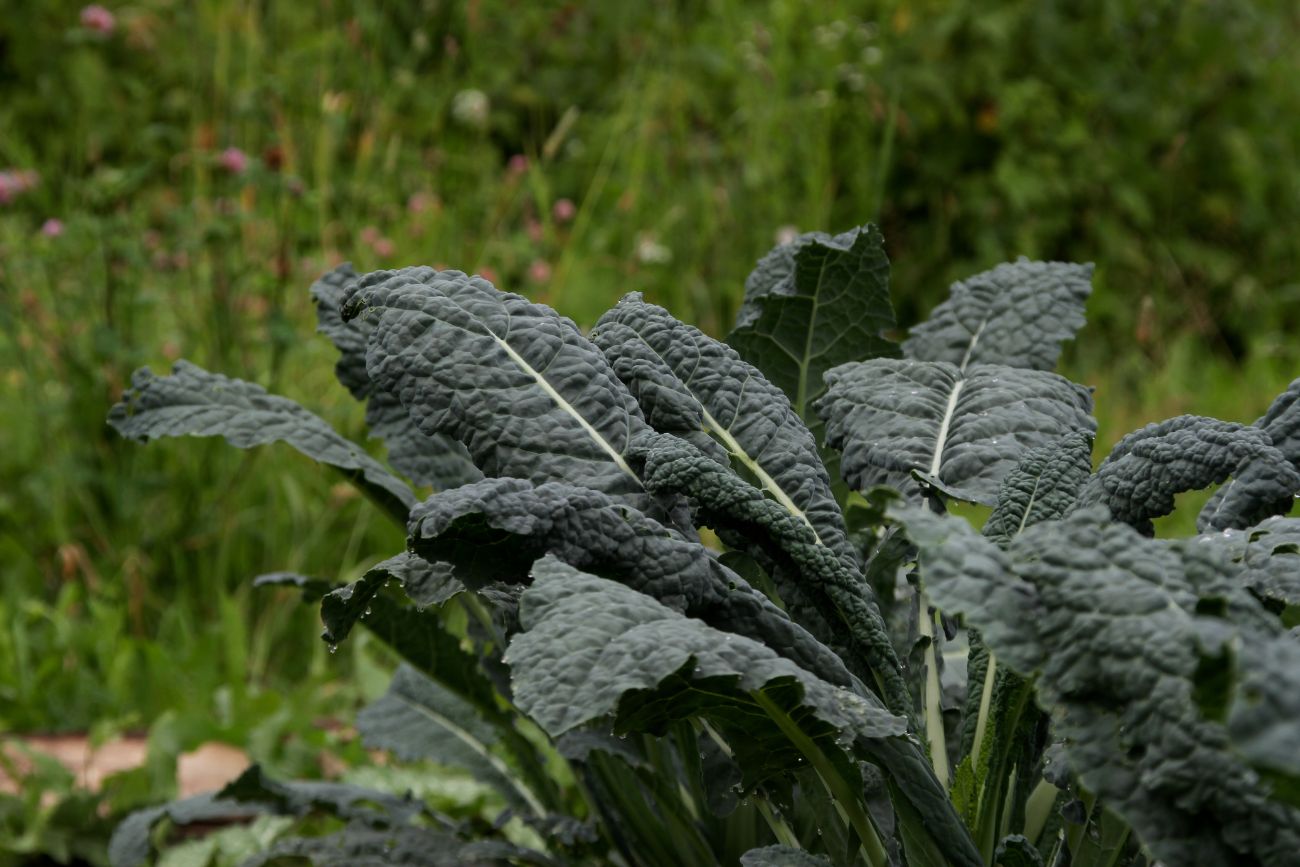
Plant Seasonal Vegetables
Vegetables to plant include:
- Kale
- Spinach
- Lettuce
- Broccoli
- Cauliflower
- Cabbage
- Carrots
- Beetroot
- Radishes
- Peas
- Broad Beans
- Parsley
- Coriander
- Brussel Sprouts
- Celery
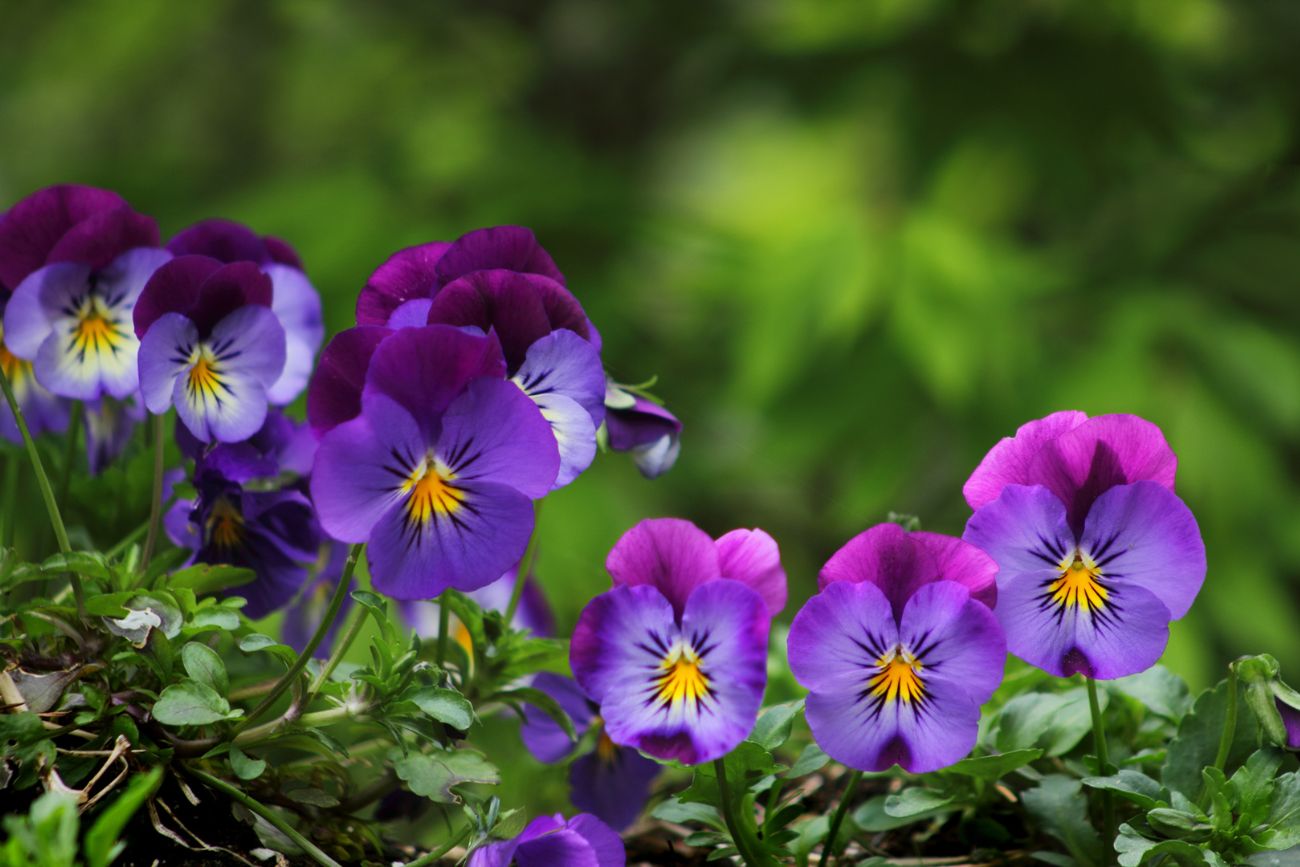
Plant Edible Flowers
- Lobelia
- Pansies
- Violas
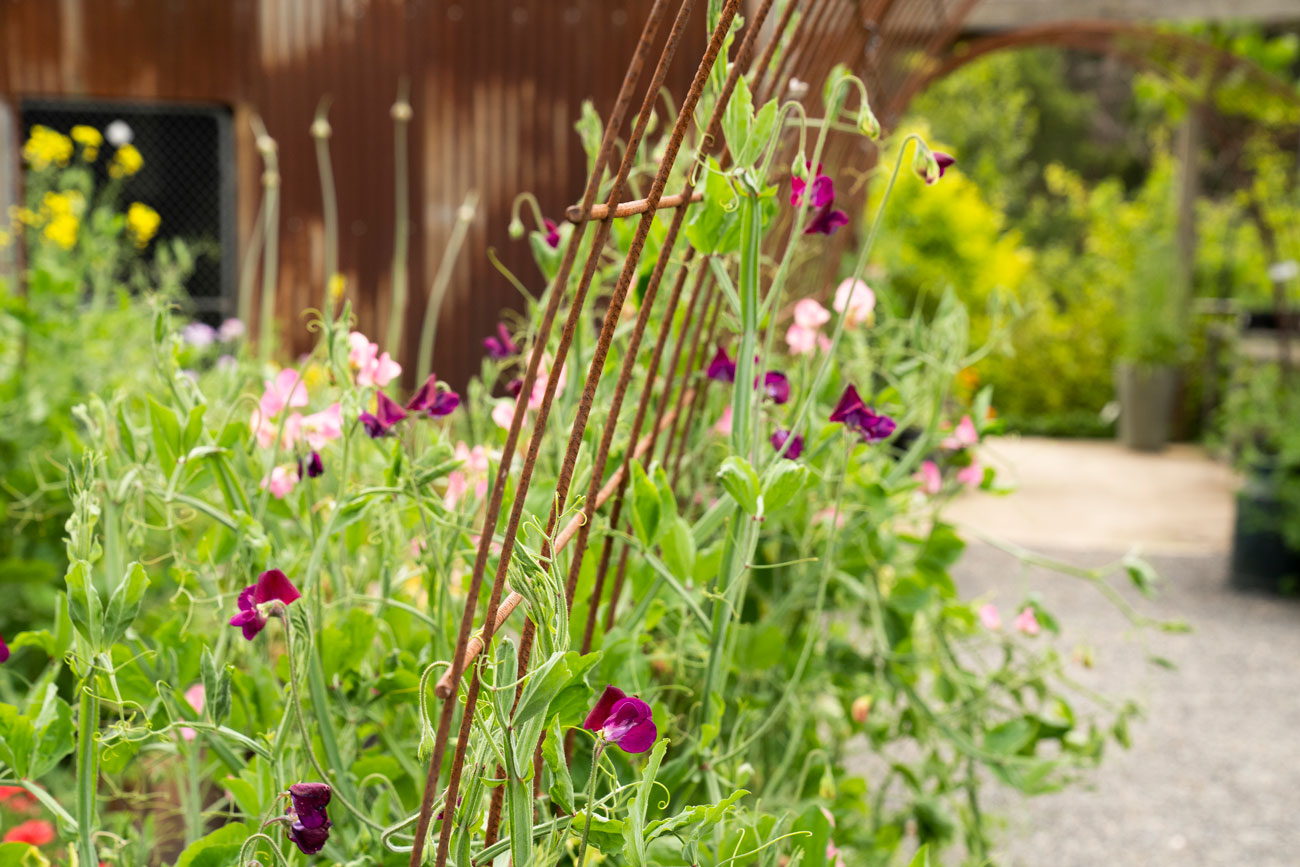
- Sweet pea
- Snap dragon
- Alyssum
- Primrose
- Calendula and more
Pruning After Summer
Some plants may have experienced damage from the intense summer sun. Leaves may appear burnt, dry or stressed after prolonged heat.
Autumn is a good time to tidy the garden by removing damaged foliage and lightly pruning plants that have struggled through the hotter months.
Once pruned, feeding the soil with compost or organic fertiliser can help support healthy new growth as the garden moves into the cooler season.
Improving Soil Health
Autumn is a good time to prune damaged foliage and tidy plants that have suffered from heat stress. After pruning, feeding the soil can encourage healthy new growth.
If your soil looks tired after summer, now is the time to improve it.
Adding compost and well-aged manure helps restore nutrients and improve the soil’s ability to retain moisture. Healthy soil is essential for supporting productive plants through the cooler months.
Pests to Watch in the Garden
Autumn gardening can also involve managing common garden pests.
European Wasps
European wasps are considered aggressive and invasive. While they can help prevent aphids in the garden, they can also be a hazard for gardeners.
If you notice wasps in your garden, the best way to deter them is to locate the nest and spray it with a mixture of dish soap and water if you prefer a more natural approach. If this does not work, and you prefer not to use chemicals, it is best to contact local professionals.
Aphids
Aphids are sap-sucking pests that damage new plant growth. They also produce a sugary secretion that can attract ants and cause sooty mould to develop.
Aphids can be managed using neem oil or pyrethrum sprays. When using neem oil, it is important to apply it after dusk. Applying it during the day, particularly in hot weather, can damage plant leaves.
Whitefly
Whitefly are tiny sap-sucking insects that cluster on the underside of leaves. They can cause yellowing, wilting and stunted growth by draining nutrients from the plant.
Whitefly can be treated using neem oil, insecticidal soap or pyrethrum sprays. These treatments should be applied in the evening if temperatures are above 25 degrees to avoid damaging the leaves.
Plant of the Month – Swamp Hibiscus
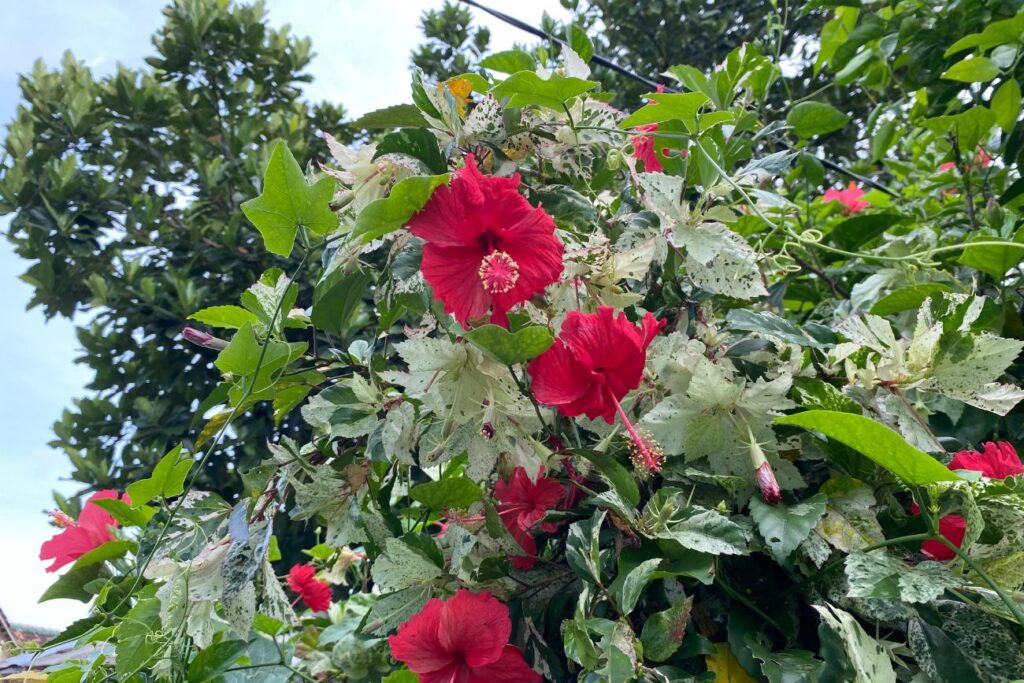
Hibiscus coccineus alba, commonly known as swamp hibiscus, is one of the standout plants in the forest.
This striking plant thrives in boggy or shallow-water conditions and produces beautiful flowers that attract butterflies and bees.
It is also considered an edible plant. The leaves and petals can be used in salads, and the flowers are often used to make tea.
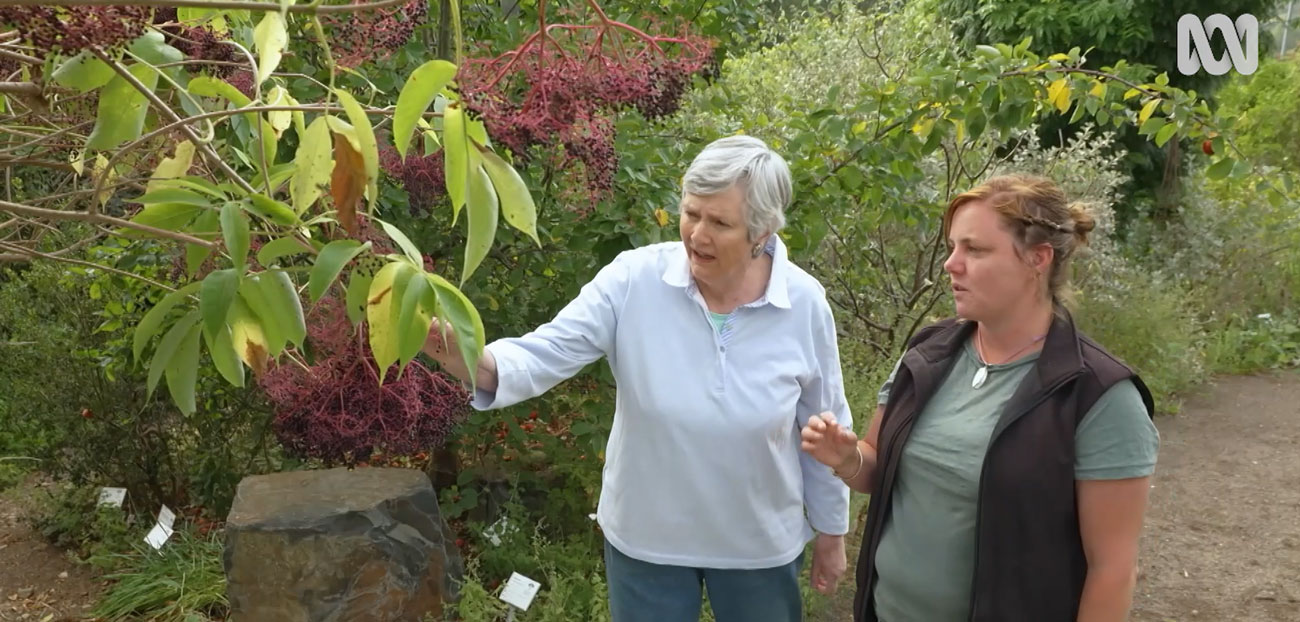
If you would like to see this plant in the forest, you can join one of our guided tours at the Edible Forest on Fridays and Saturdays at 10am.
Getting Your Garden Ready for the Season Ahead
Autumn is one of the most productive times in the garden. By feeding the soil, planting seasonal vegetables and managing pests early, you can prepare your garden for a healthy and productive cooler season.
Taking the time to care for the garden now will help it thrive through autumn and winter.